Dental Filling Aftercare: How to Make Your New Restoration Last
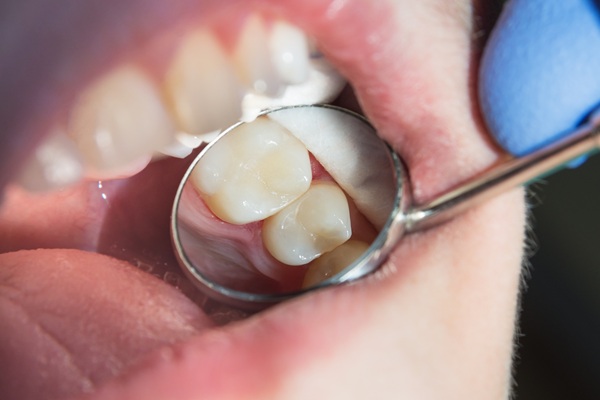
A new dental filling restores tooth structure, and smart aftercare helps it last. Understanding the importance of care and maintenance after you get a new filling can significantly improve your dental health and overall well-being. The following tips can help you maintain optimal oral hygiene to protect and extend the lifespan of your dental fillings.
Immediately after treatment
Patients should expect some mild numbness for a few hours. They should avoid biting their cheeks or tongue until their regular sensation returns. If the bite feels high once the anesthetic wears off, the patient should schedule a follow-up appointment with their dentist to remove some of the filling material, which can prevent stress cracks and lingering tenderness in or around the tooth.
Additionally, there may be increased sensitivity to temperature or pressure for the first few days as the restoration settles into the tooth. To ease this discomfort, patients can chew on the opposite side of the new filling, allowing them to protect the filling from potential damage and adjust to how it feels.
Dietary restrictions after a dental filling
In the first few days after the filling, patients should plan to eat soft, easy-to-chew foods to protect the newly restored tooth and reduce sensitivity. If the filling is composite resin, it hardens during placement. However, a cautious approach still supports comfort and function. Patients should avoid very hot or cold foods and drinks, as well as hard and sticky foods such as candies, nuts, and popcorn. Instead, the patient should consume small bites of the following foods:
- Yogurt
- Pudding
- Smoothies
- Scrambled eggs
- Steamed vegetables
- Soup and broth
- Mashed potatoes
- Applesauce
As their comfort improves, individuals can gradually reintroduce other foods and drinks to their diet. These choices reduce stress on the dental filling and support a comfortable transition back to their regular diet.
Keep the area clean
Brush twice daily with a soft-bristled brush and fluoride toothpaste, angling bristles toward the gumline. Floss once a day, sliding gently under the contact to clean where a toothbrush cannot reach. If floss snags, the contact may require polishing, or the edge may need smoothing and refinement. Additionally, rinsing with a fluoride mouthwash in the evening can strengthen the enamel near the restoration.
Protect the filling against unnecessary wear
For individuals who habitually grind or clench their teeth, medically referred to as bruxism, the dentist may recommend the use of a night guard. This custom oral appliance acts as a protective barrier between the patient's upper and lower arch. The night guard can protect the teeth from the damaging forces that can fracture fillings and lead to wear on the surrounding teeth.
When to call the dentist
While most dental filling procedures do not cause complications, some signs may indicate the need to call a dental professional. These symptoms include:
- Persistent pain with chewing
- Cold sensitivity that lasts longer than 30 seconds
- A sharp edge on the tooth
- A visible crack or line on the tooth
- Food trapping in the tooth
- Floss shredding between the teeth
Individuals should also seek care promptly after experiencing any dental trauma to the restored dilling, such as biting a hard object or a direct hit to the mouth.
Get more dental filling aftercare tips
With attentive self-care and professional support, a dental filling can contribute to strong function and a confident smile for years to come. Would you like more tips on caring for your new filling? Call our Napa office for more information or to schedule an appointment.
Request an appointment here: https://valleyharvestdentalcare.com or call Valley Harvest Dental Care at (707) 690-6090 for an appointment in our Napa office.
Check out what others are saying about our dental services on Yelp: Composite Fillings in Napa, CA.
Related Posts
A dental inlay is often necessary for teeth that are in bad shape, whether it be due to cavities or accidental injuries such as cracks or chips. However, among dental restorations, inlays are not the most common type. Most people are familiar with dental fillings or crowns, but general dentists also recommend dental inlays for…
The treatment for a cavity is a dental fillings. The onset of tooth decay manifests as small dots on teeth. Regular dental checks enable the dentist to spot the early stages of cavities. For some people, the discovery of cavities comes a little late. This is when a significant amount of filling can help. If…
After a tooth extraction, restoring function and appearance is a priority to maintain your oral health. Many individuals require this procedure due to decay, trauma, or advanced gum disease, and the space left behind should not remain untreated. Understanding available tooth replacement options helps ensure you preserve proper bite alignment, chewing efficiency, and long-term dental…
An implant crown is made of strong and safe materials to give the patient a reliable long-term replacement option for missing teeth. If you have questions about the materials used to make an implant crown, this review can help you understand what exactly each component is made of and why dentists use these particular materials.There…